Actionable competitive and market intelligence
Insights that matter for decisions that matter. Get the tools you need to successfully integrate top-tier competitive and market intelligence within your organization. Drive revenue growth, mitigate risks, and cut costs, propelling your business towards its objectives.

Surprisingly expected results from our customers
new, qualified sales leads weekly from untapped sectors and exclusive sources
deal won within a month of utilizing Valona competitor analysis tools
saved by timing a critical investment correctly with Valona’s market insight alerts
average order size increase through strategic sales opportunity screening with Valona

500+ companies already in the know
Preferred by top global corporations







Nothing beats covering all the bases
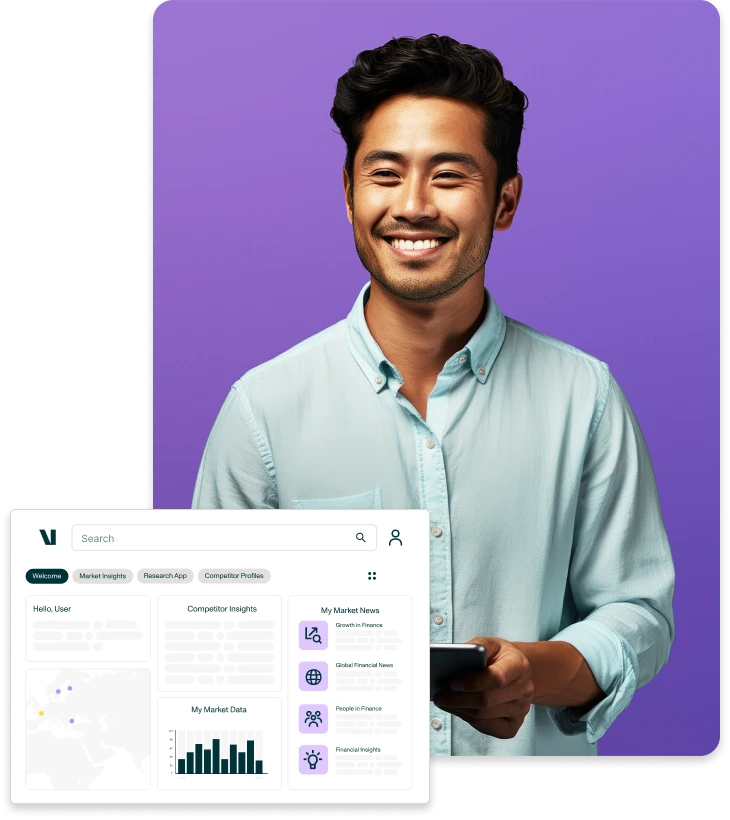
Valona’s competitive and market intelligence platform makes it easy to find, analyze, organize, and share the most relevant insights across every team in your organization. Blindspots will be a thing of the past.
See it in action
Nothing beats hybrid intelligence
With 20+ years of practical expertise in the market, experienced research consultants, and the most sophisticated AI to support them – get insights and strategic foresight to support decision-making across every function of your organization.
Read more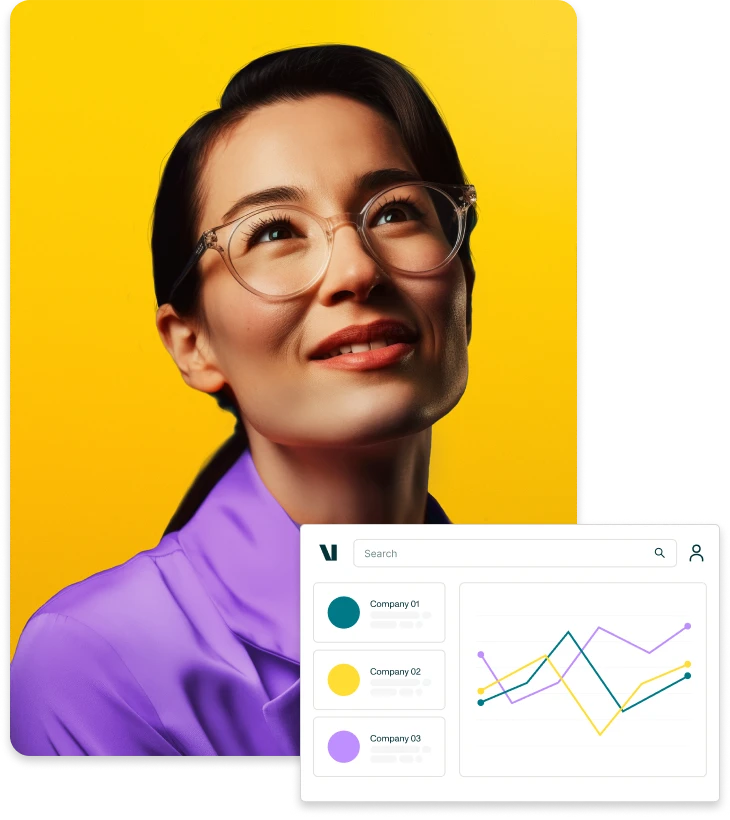
Nothing beats winning a new customer
Spotting early signals means your sales team will glide to victory. Catch warm sales leads from global sources you did not even know about, and become your sales team’s favorite colleague. They’ll thank you for the opportunity to seize every chance for business growth.
Read moreM-Brain is now
Valona Intelligence

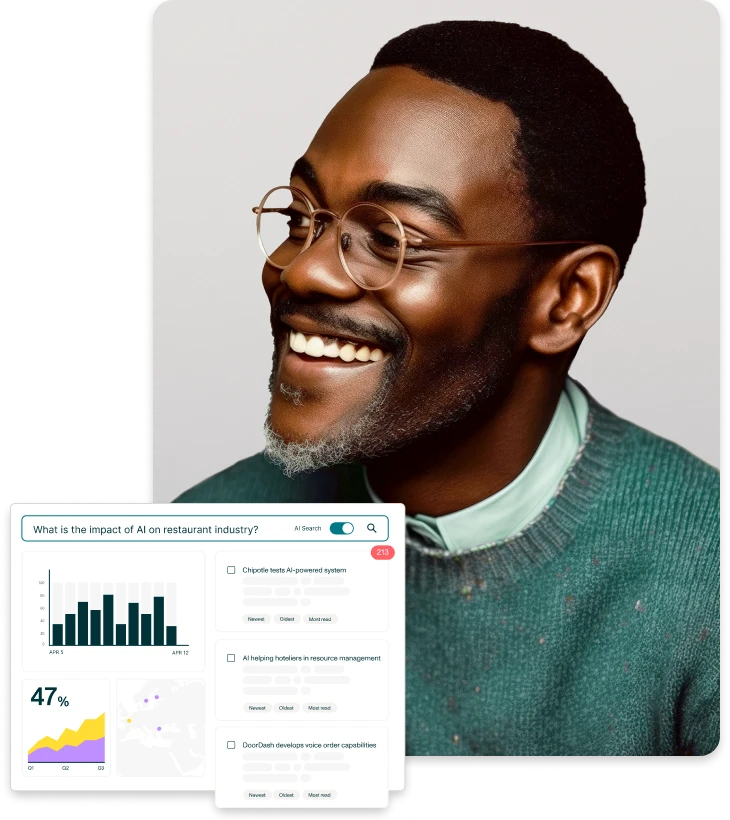
Nothing beats seeing the big picture
With the ability to see the forest from the trees, you can make impactful decisions across all departments and at all levels. Insights are the driver for competitive foresight. You’ll have AI tools for everything you need to shape the future and gain the competitive advantage.
Read more
Nothing beats staying ahead
With 20+ years of practical expertise in the market, experienced research consultants, and the most sophisticated AI to support them – get the insights and strategic foresight to support decision-making across every function of your organization.
Read more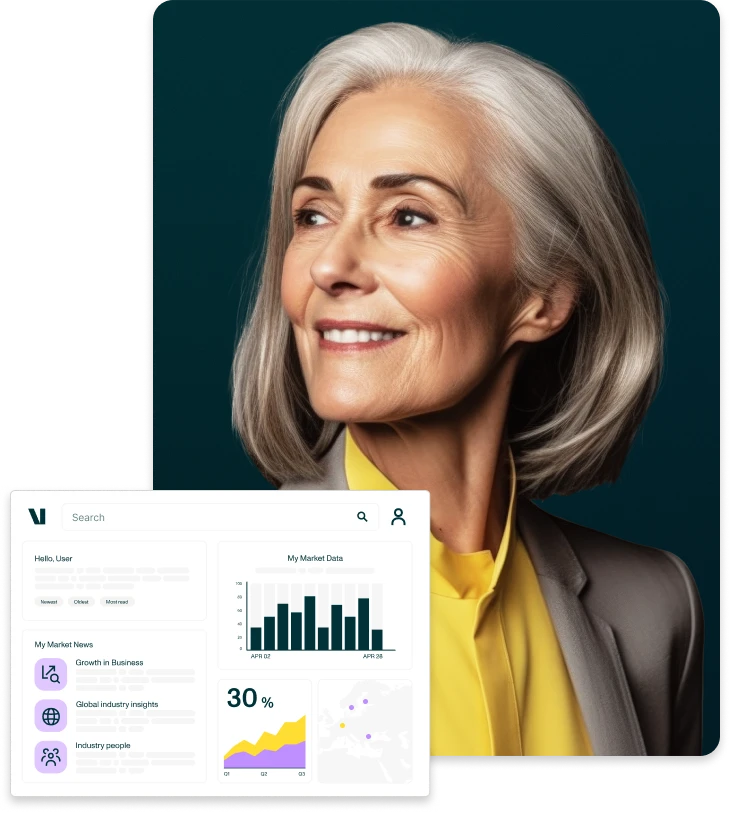
Nothing beats waking up to fresh insights
With Valona’s AI Research assistant, it’s easy to keep your finger on the pulse at all times. Prevent big problems, stay informed about what’s happening in the world, and unlock sales opportunities while managing risk. Valona makes it as easy as opening your laptop in the morning.
Read moreBegin your success story with us
It’s your turn now. Connect with us to explore how Valona can equip you with the tools you need to grow your business, meet your growth targets, and expand to new markets.
Your journey to staying a step ahead starts here!